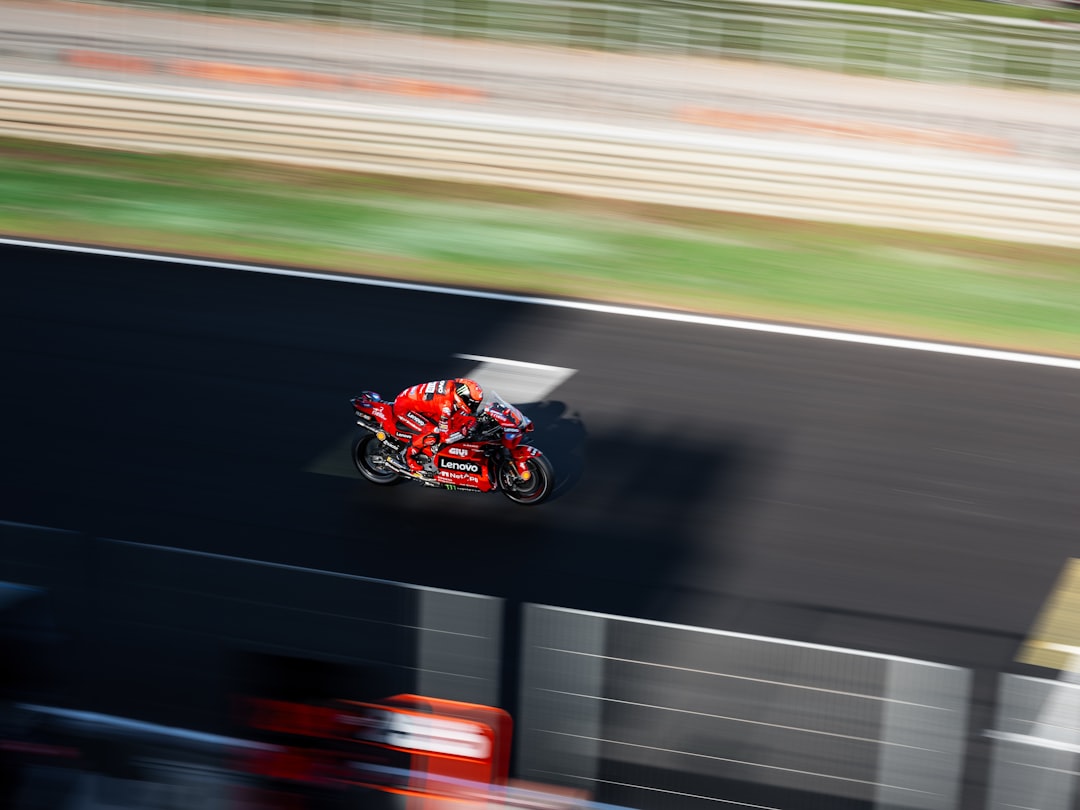
Ever wondered why your stock R3 brake pads feel like they’re made of wood after a few hot track day laps? That moment when you’re charging into turn one and suddenly your braking power fades can be downright terrifying. Track riding demands significantly more from your braking system than street riding ever will.
For serious R3 track enthusiasts and racers, choosing the right brake pads isn’t just about stopping power—it’s about consistency, feel, and confidence lap after lap. Let’s explore which performance brake pads actually deliver when the heat is on.
Why stock R3 brake pads fall short on track
The factory Yamaha R3 brake pads are designed primarily for street riding, with a focus on low noise, minimal dust, and decent all-weather performance. However, they have several critical limitations for track use:
- Rapid fade under the high temperatures generated by aggressive track braking
- Inconsistent feel as temperatures rise during a session
- Limited bite compared to performance alternatives
- Shorter effective lifespan under track conditions
Upgrading your R3’s brake pads is one of the most cost-effective performance modifications you can make, typically costing under $70 and taking about 15 minutes to install.
Sintered vs. race compounds: what’s the difference?
Before diving into specific recommendations, it’s important to understand the two main types of performance brake pads available for your R3:
Sintered metallic pads
- Composed of metal particles bonded under heat and pressure
- Excellent heat dissipation and fade resistance
- Strong initial bite with consistent performance
- Longer lifespan compared to organic pads
- Higher operating temperature range
- Can be noisy and produce more dust
- Good for mixed track/street use
Race compound pads
- Carbon-based or specialty racing materials
- Designed specifically for high-temperature track applications
- Maximum stopping power and exceptional fade resistance
- Very high friction coefficient
- Require proper temperature to work effectively
- Typically shorter lifespan but superior performance
- May be overly aggressive for wet conditions
- Often require dedicated track brake fluid
Top performer: Ferodo Racing CP1 brake pads
When it comes to pure track performance for the R3, Ferodo’s CP1 compound consistently ranks at the top among club racers. These pads offer:
- Exceptional initial bite that inspires confidence into heavy braking zones
- Superior fade resistance even after multiple hot laps
- Excellent modulation allowing for precise trail-braking
- Consistent lever feel throughout temperature ranges

The value option: Vesrah RJL performance pads
With over 70 years of manufacturing experience, Vesrah offers a compelling balance of performance and value in their RJL high-performance racing pads:
- Strong but controllable initial bite
- Linear, predictable braking response
- Versatile performance in varying conditions (wet, dry, hot, cold)
- Longer pad life compared to some race-only options
- Suitable for trackdays, racing, and aggressive street riding
- Excellent cost-to-performance ratio
For riders wanting even more aggressive performance, the Vesrah SRJL and SRJL XX compounds offer progressively stronger braking characteristics while maintaining good modulation.
The all-arounder: SBS Dual Carbon pads
SBS Dual Carbon pads have developed a strong following among R3 track day enthusiasts who also ride on the street:
- Smooth initial bite with progressive in-stop performance
- Excellent brake lever feel and modulation
- Low heat transfer to protect brake fluid from overheating
- Pre-bedded using DEST technology to eliminate fade
- NUCAP NRS technology for mechanical bonding that prevents pad separation
- Great for riders who use the same bike for occasional track days and street riding
Complete the system: supporting modifications
Brake pads are just one component in your R3’s braking system. For optimal track performance, consider these complementary upgrades:
High-temperature racing brake fluid
Standard DOT4 brake fluid can boil under intense track braking, leading to a spongy lever and reduced stopping power. Racing-specific brake fluids offer significantly higher boiling points.
Braided brake lines
Replace your R3’s rubber brake lines with steel-braided ones to eliminate expansion under pressure, providing a firmer, more consistent lever feel.
Performance brake discs
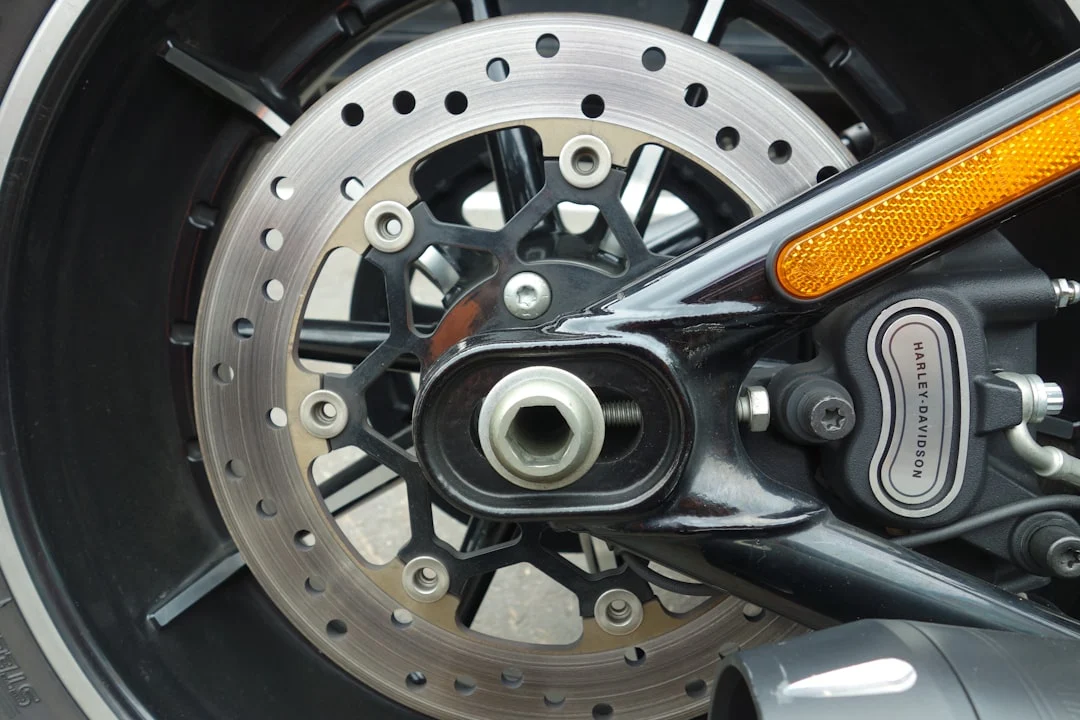
Upgrading your rotors can improve heat dissipation and provide better pad contact surface.
Adjustable brake levers
Better lever feel and adjustability for improved control and comfort.
Real-world track feedback from R3 racers
We’ve gathered feedback from actual R3 track riders and racers who’ve tested various brake pad options:
“Switching from stock to Ferodo CP1s transformed my braking confidence. I’m able to brake later and harder into turn 1 at Road Atlanta without any fade issues throughout the 20-minute sessions.” – Mark T., Club Racer
“The Vesrah RJLs offer 90% of the performance of race-only pads at a fraction of the wear rate. Perfect for those of us doing both track days and the occasional race weekend.” – Sarah K., Track Day Enthusiast
“Don’t forget to match your brake pads to high-temp fluid. I learned that lesson the hard way when my stock fluid boiled during my second session, even with performance pads.” – James L., R3 Cup Competitor
How brake pad choice complements drivetrain setup
Your braking system works in harmony with your drivetrain setup. When you’ve optimized your R3 with race-focused gearing, your braking needs change as well.
For instance, if you’re running an aggressive 14/45 or 15/45 gearing combination for better drive out of corners, you’ll be carrying higher speeds into braking zones. This makes high-performance brake pads even more critical.
The best R3 track brake pad based on your needs
Based on extensive testing and rider feedback, here are our recommendations:
- For dedicated racers seeking maximum performance: Ferodo CP1 or EBC GPFAX
- For track day enthusiasts on a budget: Vesrah RJL
- For mixed track/street riders: SBS Dual Carbon
- For wet weather racing: Vesrah RJL (better all-weather performance)
Whichever pad you choose, remember to properly bed them in before pushing hard on track, and always pair with high-temperature brake fluid for consistent performance.
Track riding demands the confidence to brake later and harder than you would on the street. Investing in quality brake pads that match your riding style and track aspirations will dramatically improve your R3 track experience, allowing you to focus on improving your lap times rather than worrying about your brakes fading away.